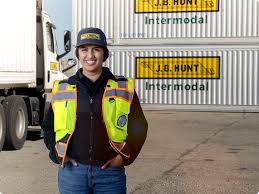
The demand for CDL drivers in Texas is high. Many companies need drivers for local routes. This means less time away from home. It also means a more predictable schedule. This article explores how to find these local opportunities in Texas. You will learn about job types, qualifications, and how to apply.
Understanding Local CDL Jobs in Texas
Local CDL jobs mean you drive within a specific area. This is often your city or a nearby region. You usually start and end your day at home.
This is different from long-haul trucking. Long-haul drivers are on the road for days or weeks. Local driving offers a better work-life balance.
It’s a great choice for many drivers.
In Texas, the need for drivers is constant. Think about all the goods that move daily. Groceries, building materials, fuel, and more.
These items need to get from warehouses to stores. They need to go from ports to distribution centers. Local CDL drivers make this happen.
They are the backbone of many businesses. Companies actively seek drivers for these roles.
These jobs often pay well. They can also offer good benefits. Health insurance, retirement plans, and paid time off are common.
Companies want to keep their drivers happy. This leads to better pay and perks. It’s a win-win for both the driver and the employer.
The types of local CDL jobs vary. Some drivers deliver goods to retail stores. Others haul waste and recycling.
Some drive school buses. Others transport construction equipment. You might also find jobs in fuel delivery or specialized hauling.
Each type has its own demands and rewards.
What You Need for Local CDL Jobs in Texas
First, you absolutely need a valid CDL. This is your Commercial Driver’s License. In Texas, you must get this from the Department of Public Safety (DPS).
There are different classes of CDLs. Class A is for the heaviest vehicles. Class B is for heavy vehicles that are not combined.
Class C is for vehicles that carry 16 or more passengers.
Most local driving jobs require a Class A or Class B CDL. Your CDL might also need endorsements. These are extra qualifications.
An H endorsement means you can haul hazardous materials. A P endorsement means you can drive a school bus or passenger vehicle. An S endorsement is specifically for school buses.
Check the job description carefully. It will tell you which endorsements are needed.
You’ll also need a good driving record. Companies check this very closely. A clean record shows you are a safe driver.
It means fewer accidents and traffic violations. A history of DUI or serious tickets can be a major problem. Some companies have strict policies on this.
They want to reduce their insurance costs and risks.
Beyond the CDL, you need to be at least 21 years old. This is often a requirement for interstate commerce. Even for local jobs, many companies set this age limit.
You must also pass a DOT physical exam. This is a medical test to ensure you are healthy enough to drive. A licensed medical examiner will conduct it.
They check your vision, hearing, blood pressure, and overall health.
Some jobs might require a background check. This is common for jobs involving sensitive locations. For example, driving for a government contractor.
Or working in a secure industrial area. Companies want to ensure safety and security for everyone.
Finally, you need the right attitude. Be reliable, punctual, and responsible. Good communication skills are also important.
You’ll be talking to dispatchers, customers, and other staff. Being a good team player helps too. Companies value drivers who are easy to work with.
CDL Requirements Checklist for Texas
1. Valid Texas CDL: Ensure it’s current and has the correct class (A, B, or C).
2. Necessary Endorsements: Hazardous Materials (H), Passenger (P), School Bus (S), Tanker (T) – check job ads!
3. Clean Driving Record: Minimize tickets and accidents.
4. Age: Typically 21+ for many positions.
5. DOT Medical Card: Must be up-to-date and issued by an authorized examiner.
6. Background Check: May be required depending on the job.
Where to Find Local CDL Jobs in Texas
There are many places to look. Online job boards are a great start. Websites like Indeed, LinkedIn, and ZipRecruiter list many CDL openings.
Use specific search terms like “local CDL driver Texas,” “Class A driver Houston,” or “CDL jobs Dallas.”
Trucking companies often have their own websites. They usually have a “Careers” or “Jobs” section. Check the websites of major carriers.
Also, look at smaller, local companies. These are often the best sources for local routes. Companies like Sysco, McLane, and Frito-Lay hire local drivers.
Waste Management and Republic Services are also big employers.
Staffing agencies specialize in placing drivers. Some agencies focus only on transportation. They can connect you with companies that are hiring.
They know which companies offer local work. Agencies can also help polish your resume and prepare for interviews. Some well-known ones include Indeed Prime, Trucker’s Wanted, and CDLjobs.com.
Networking is also very powerful. Talk to other CDL drivers. Let them know you’re looking for local work.
They might know of openings before they are advertised. Attend local trucking industry events if possible. You can meet recruiters and hiring managers face-to-face.
Consider driving for specific industries. The oil and gas industry in Texas is huge. Many companies need drivers for transporting equipment, fuel, and materials.
Construction companies also hire CDL drivers for moving heavy machinery and supplies. Food distribution companies are another big area.
Don’t forget about government jobs. Municipalities, counties, and state agencies sometimes hire CDL drivers. This could be for public works departments, sanitation services, or transportation.
These jobs often come with excellent benefits and job security.
I remember when I was first looking for a local route. I felt overwhelmed by all the options. I spent hours scrolling through generic job sites.
It felt like I was missing out on the good gigs. That’s when I started looking at company websites directly. I also talked to a driver I met at a truck stop.
He told me about a local dairy distributor that was hiring. It turned out to be exactly what I wanted. A steady route, home every night.
It taught me that sometimes the best jobs aren’t the most advertised ones.
Quick Scan: Top Places to Find Local CDL Jobs
| Online Job Boards | Indeed, LinkedIn, ZipRecruiter, Glassdoor |
| Company Websites | Directly on trucking company career pages (e.g., Sysco, McLane, U.S. Foods) |
| Industry-Specific Sites | CDLjobs.com, Trucker’s Wanted, Transport Topics Careers |
| Local Recruiters | Specialized CDL staffing agencies |
| Industry Networking | Talking to other drivers, attending events |
Types of Local CDL Driving Jobs
There are many different kinds of local CDL work. Understanding these can help you choose the best fit. Some jobs involve less stressful driving.
Others might require more physical work.
Retail Delivery Drivers: These drivers deliver products to stores. This could be anything from food to electronics. Routes are usually set.
You might have to unload your truck. This can involve using a pallet jack or hand truck. It’s common for Class A or Class B CDL holders.
Food Service Drivers: Similar to retail, but specifically for restaurants and food service businesses. You’ll deliver ingredients, drinks, and supplies. This often means dealing with frozen or refrigerated goods.
You may also collect payment from customers.
Bulk Haulers: This includes jobs like fuel delivery, grain hauling, or chemical transport. These often require a tanker endorsement (T). The products can be hazardous.
Safety is extremely important. Drivers need to be very careful during loading and unloading.
Construction Drivers: These roles involve hauling heavy equipment, gravel, sand, or asphalt. You might drive dump trucks, flatbeds, or specialized trailers. Often requires a Class A or Class B CDL.
These jobs can be seasonal and depend on construction projects.
Waste Management Drivers: Driving garbage trucks is a common local CDL job. You’ll pick up trash and recycling from homes and businesses. These trucks are often automated.
You might operate controls from the cab. Requires a Class B CDL usually.
Passenger Transport: This includes school bus drivers, city bus drivers, and shuttle drivers. These jobs require a Class B CDL with a P endorsement. School bus drivers have specific hours.
City bus drivers have more varied schedules. They often involve interacting with many different people.
Local Haulage / Drayage: Drivers transport containers from ports or rail yards to warehouses. This is common in major port cities like Houston. It’s often fast-paced and can involve tight deadlines.
Usually requires a Class A CDL.
CDL Instructors: If you have a lot of experience, you can teach others. Driving schools and community colleges hire experienced CDL drivers. This is a great way to share your knowledge.
I once talked to a guy who drove for a local beverage distributor. He loved it. His day started early.
He’d load up cases of soda and water. Then he’d hit his route through suburbs and small towns. He said the best part was seeing familiar faces.
The shop owners knew him. He’d chat for a bit, unload the truck, and move on. He was home by mid-afternoon most days.
He told me it felt good to be part of the local community. It wasn’t the highest paying job, but it made him happy.
Local CDL Job Types at a Glance
Retail/Food Delivery: Consistent routes, direct customer interaction.
Bulk Haulers (Tanker): Specialized, requires endorsements, high safety focus.
Construction: Heavy loads, equipment transport, can be seasonal.
Waste Management: Essential service, often city-based routes.
Passenger Transport: Requires P endorsement, direct public interaction.
Drayage/Port Work: Fast-paced, time-sensitive, near ports/rail yards.
The Application and Interview Process
Applying for a local CDL job is similar to other jobs. But there are a few extra steps. First, you’ll likely fill out a detailed application.
This will ask for your work history. Be sure to list all previous driving jobs. Include dates of employment and reasons for leaving.
You’ll need to provide your CDL number and any endorsements. Also, be ready to list your medical card expiration date. Companies need to verify your credentials.
They will check your driving record with the DPS.
The interview is your chance to shine. Be prepared to answer questions about your experience. Why do you want a local driving job?
What are your strengths as a driver? How do you handle difficult situations on the road? Be honest and professional.
Many companies will also have you do a ride-along. A trainer or experienced driver will ride with you. They assess your driving skills in real conditions.
They also see how you interact with others. This is a practical test of your abilities.
Some companies might use online assessments. These could test your knowledge of safety regulations or basic math. They want to ensure you understand the job requirements.
It’s good to brush up on DOT regulations before your interview.
Honesty is key throughout the process. Don’t try to hide any past issues. Companies expect a complete picture.
If you have a minor past infraction, explaining it calmly can help. For example, if you had a speeding ticket years ago. Explain what you learned from it.
What stood out to me when I interviewed for a local route was the focus on safety. The interviewer spent a lot of time asking me about specific safety scenarios. Like what I would do if I saw a child run into the street.
Or how I would handle a tire blowout. They also asked about pre-trip inspections. It showed me they cared deeply about preventing accidents.
This was different from some of the more general interviews I’d had before.
Interview Preparation Tips
Know the Company: Research their services and values.
Prepare Your Story: Why local driving? Why this company?
Practice Answers: For common interview questions.
Bring Documents: CDL, medical card, driver history printout (if possible).
Dress Professionally: Clean, neat clothing shows you care.
Ask Questions: Show your engagement and interest.
Realistic Expectations for Local CDL Driving
Local CDL jobs offer many benefits. But it’s important to have realistic expectations. Not every local job is perfect.
Some might have early starts. For example, many food delivery routes begin at 4 or 5 AM. This is to beat traffic and ensure timely deliveries.
Pay can vary. While generally good, it depends on the type of work. Hazardous material hauling or specialized hauling often pays more.
Simple delivery routes might pay less per hour. But the steady work and lack of time away can make up for it.
The physical demands can be higher than you think. Even local drivers often need to load and unload their trucks. This can involve lifting heavy items.
If you’re looking for a job where you just sit in the truck, local driving might not be for you.
Some local routes can still be stressful. Traffic in major Texas cities like Houston, Dallas, and Austin can be brutal. You might face tight delivery windows.
Customers can sometimes be demanding. You need good problem-solving skills.
Job security is generally high. The demand for CDL drivers is consistent. However, some jobs might be seasonal.
Construction driving, for example, can slow down in winter. Always check the stability of the company and the industry.
Consider the truck itself. Are the trucks well-maintained? Are they comfortable?
Some companies invest in newer, more comfortable trucks. Others may use older models. This can affect your daily experience significantly.
Ask about the fleet during your interview.
I once took a local driving job that sounded great on paper. Home every night, good pay. But the trucks were old and beat up.
The AC barely worked, and the seats were torn. The dispatchers were always rushing us, even when there was no traffic. I lasted only three months.
It taught me that the details matter. You have to look beyond the basic job description.
Local CDL Job Realities
Hours: Often early mornings, some evening or weekend work possible.
Pay: Varies by industry, endorsements, and company. Generally good.
Physicality: Loading/unloading common. Not always just sitting.
Stressors: Traffic, tight schedules, customer demands.
Job Security: Generally high due to demand.
Equipment: Truck condition varies greatly. Inspect it!
Tips for Success in Your Local CDL Job Search
1. Get the Right CDL and Endorsements: Make sure your license is current. Get any endorsements that match the jobs you want.
Research which endorsements are most in-demand locally.
2. Maintain a Clean Driving Record: This is non-negotiable. Avoid tickets and accidents.
Your record is your resume for driving jobs.
3. Tailor Your Resume: Highlight your CDL experience. Mention any local routes you’ve driven.
Use keywords from the job descriptions.
4. Network Actively: Talk to other drivers. Join online forums for Texas CDL drivers.
Let people know you’re looking.
5. Be Patient and Persistent: Finding the perfect local job can take time. Don’t get discouraged.
Keep applying and following up.
6. Consider Smaller Companies: While big carriers have many jobs, smaller local companies often offer more stable, dedicated routes. They may not advertise as widely.
7. Ask Questions: During interviews, ask about the typical routes, daily schedule, home time policy, and equipment. This shows you’re serious.
8. Be Prepared for a Drug Test: Most trucking companies require pre-employment drug screening. Be ready for this.
Avoid using any prohibited substances.
9. Understand Benefits: Look beyond the hourly wage. Consider health insurance, retirement plans, paid time off, and other benefits.
These add significant value to a job.
10. Safety First, Always: Companies want drivers who prioritize safety. Show that you understand and follow all safety procedures.
This is your most important qualification.
Frequently Asked Questions About Local CDL Jobs in Texas
What is the average salary for a local CDL driver in Texas?
The average salary can vary greatly. It depends on the type of driving, the company, and experience. However, many local CDL drivers in Texas earn between $50,000 and $70,000 per year.
Some specialized roles or those with overtime can earn even more, potentially reaching $80,000+.
Do I need a Class A CDL for all local driving jobs in Texas?
Not necessarily. While Class A is needed for combinations of vehicles over 26,001 pounds, many local jobs only require a Class B CDL. This is common for straight trucks, dump trucks, and some delivery vehicles.
Always check the specific job posting for the required CDL class.
How important is a clean driving record for local CDL jobs?
It is extremely important, often critical. Companies check your Motor Vehicle Report (MVR). A history of DUIs, reckless driving, or multiple speeding tickets can prevent you from getting hired.
Some companies have a strict “no preventable accidents in the last 3-5 years” policy.
Are local CDL jobs harder to find than long-haul jobs?
The search process can be different. Local jobs often have less turnover and may not be advertised as broadly as long-haul positions. However, the demand for local drivers is very high in Texas.
By using targeted search methods and networking, you can find many local opportunities.
What are the benefits of working as a local CDL driver versus long-haul?
The main benefit is work-life balance. Local drivers are typically home every night. This allows for more time with family and friends.
It also means a more regular schedule and less time spent in truck stops or hotels. It reduces the stress and loneliness often associated with long-haul trucking.
Can I get a local CDL job if I’m new to driving trucks?
Yes, it is possible, but can be more challenging. Many companies prefer experienced drivers. However, some large carriers offer paid training programs for new CDL holders.
These programs often come with a commitment to drive for them for a certain period. Smaller local companies might hire less experienced drivers if they see strong potential and a good attitude.
Conclusion
Finding local CDL jobs in Texas is very achievable. The state has a robust economy. This means constant demand for skilled drivers.
By understanding the requirements, knowing where to look, and preparing well, you can secure a great position. Remember to focus on your driving record and your skills. Local driving offers a fantastic way to earn a good living.
It also lets you stay close to home and maintain a healthy life outside of work.