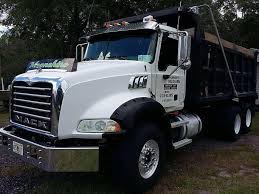
Truck driver jobs in Florida are plentiful for those with the right qualifications. Key areas include local delivery, long-haul trucking, and specialized hauling. Drivers typically need a Commercial Driver’s License (CDL) and a clean driving record.
Understanding company needs and local market demands is crucial for success.
Understanding the Florida Trucking Landscape
Florida’s economy relies heavily on trucking. Goods move in and out of the state every single day. This means there’s a constant need for reliable drivers.
From the bustling ports of Miami to the agricultural heartland and the theme park hubs, trucks are the backbone of commerce. So, what does this mean for you as a driver? It means opportunities are out there.
We’re talking about everything from fresh produce heading to grocery stores to building materials for new homes. Long-haul routes connect Florida to the rest of the country. Local routes keep businesses running within the state.
This variety means you can often find a job that fits your preferred lifestyle and schedule. It’s not just about one type of driving.
Think about the different kinds of trucks you see on the road. There are big rigs for long distances. There are smaller box trucks for local deliveries.
Some jobs involve refrigerated trailers, while others might haul flatbeds or tankers. Each type of hauling often comes with its own set of requirements and pay scales. Knowing this helps you narrow down what you’re looking for.
Essential Requirements for Florida Truck Drivers
To get behind the wheel of most commercial vehicles in Florida, you’ll need a Commercial Driver’s License (CDL). This isn’t your standard driver’s license. It shows you have passed specific tests to handle large and heavy vehicles safely.
There are different classes of CDLs, each allowing you to drive different types of vehicles.
Most entry-level trucking jobs in Florida will require a Class A CDL. This is for combinations of vehicles, like a tractor-trailer. A Class B CDL is for single vehicles with a gross vehicle weight rating of 26,001 pounds or more.
Class C is for vehicles that don’t meet the definition of A or B but are still designed to transport 16 or more people or hazardous materials.
Beyond the CDL, companies almost always look for a clean driving record. This means no major traffic violations, especially those related to reckless driving or driving under the influence. A clean record shows you are a safe and responsible driver, which is paramount in this industry.
It also impacts your insurance rates, making you a more attractive candidate.
You’ll also likely need to pass a Department of Transportation (DOT) physical exam. This ensures you are healthy enough to handle the demands of driving. This includes checks on your vision, hearing, blood pressure, and overall physical condition.
Some companies might have their own specific health requirements as well.
Finally, a drug test is a standard part of the hiring process for most trucking companies. This is to ensure a safe working environment for everyone on the road. Being upfront about any past issues and showing a commitment to remaining drug-free is important.
Types of Trucking Jobs in Florida
Florida offers a wide array of trucking opportunities. The type of job you choose can significantly impact your daily life, income, and home time. Let’s break down some of the most common categories you’ll find.
Local Delivery Drivers
Local drivers typically work within a specific city or a limited radius. Their routes are usually shorter, and they are home every night. This makes it a popular choice for drivers who want to maintain a regular home life.
Jobs can range from delivering goods for retail stores to food service or construction supplies.
The hours can vary. Some local jobs are 9-to-5, while others might require early morning starts or evening shifts. The trucks themselves are often box trucks or smaller straight trucks, which might require a Class B CDL.
Pay is often hourly, though some companies offer a salary. Benefits can be competitive.
This is a great way to start if you’re new to trucking or if you want to be close to your family. The familiarity with local roads is a big plus. You get to know the delivery points and the best routes to take.
Regional Truck Drivers
Regional drivers cover a broader area than local drivers but typically don’t go cross-country. They might drive within Florida and to a few neighboring states. This offers a good balance between being on the road and getting home regularly.
Many regional drivers are home at least once a week, sometimes more.
The equipment used is often tractor-trailers, so a Class A CDL is usually required. The pay structure for regional driving can be a mix of mileage pay and sometimes hourly rates. This job offers more variety in terms of routes and locations compared to strictly local driving.
It’s a step up in terms of distance and time away from home, but still manageable for many. You get to see different parts of the Southeast region while still having predictable homecomings.
Long-Haul Truck Drivers
Long-haul drivers, also known as OTR (Over-the-Road) drivers, spend weeks or even months away from home at a time. They drive across the country, delivering goods from coast to coast. This type of driving offers the most freedom and can be very rewarding for those who enjoy life on the road.
The pay for long-haul trucking is often based on mileage, which can lead to higher earnings. However, it requires a significant commitment to being away from home. Drivers typically have designated home times after a certain number of weeks out.
This is the classic image of the long-haul trucker.
If you’re looking for adventure and don’t have strong ties keeping you in one place, this could be a great fit. You’ll see diverse landscapes and experience different cultures across the United States. It’s a lifestyle as much as it is a job.
Specialized Hauling
Florida also has demand for specialized haulers. This includes drivers who transport hazardous materials, oversized loads, or operate tanker trucks. These jobs often require additional endorsements on your CDL, such as a hazmat endorsement or a tanker endorsement.
Specialized hauling often comes with higher pay due to the extra skills and responsibility involved. It can also be more demanding. For instance, hauling oversized loads requires careful planning and escort vehicles in some cases.
Driving a tanker truck means understanding how to safely load and unload liquids.
If you’re looking for a challenge and potentially higher earning potential, exploring specialized hauling can be a smart move. It shows a commitment to acquiring advanced skills and handling complex logistics.
Florida Trucking Hotspots
Major Cities: Jacksonville, Miami, Tampa, Orlando, and Fort Lauderdale are hubs with high demand.
Port Cities: Ports like Everglades, Miami, and Tampa are major centers for container trucking.
Distribution Centers: Large warehouses and distribution centers across the state are always hiring drivers.
Agricultural Areas: Rural parts of Florida need drivers for produce and livestock transport.
Finding Truck Driver Jobs in Florida: Where to Look
Now that you know the requirements and types of jobs, where do you actually find these truck driver jobs in Florida? It’s a mix of online resources, company websites, and sometimes even word-of-mouth.
Online job boards are a great starting point. Websites like Indeed, LinkedIn, and specialized trucking job sites are full of listings. When you search, use terms like “CDL jobs Florida,” “truck driver Florida,” or “local CDL driver Miami.” This will help you find the most relevant openings.
Don’t forget to check the websites of major trucking companies. Companies like FedEx, UPS, Ryder, JB Hunt, and Swift Transportation often have career pages where they post their openings directly. This is especially true if you’re looking for jobs with large, established carriers.
Networking is also key. If you know other truck drivers in Florida, ask them about their experiences and if their companies are hiring. Industry events or even local truck stops can be places where you meet people and hear about opportunities.
Consider trucking schools. Many CDL training programs have partnerships with local companies. They can often help their graduates find their first jobs.
It’s a direct pipeline for new drivers entering the field.
Quick Scan: Top Employers Hiring in Florida
| Company | Typical Roles |
|---|---|
| FedEx Ground/Express | Local, Regional, Package Delivery |
| UPS | Local Delivery, Package Hauling |
| Ryder | Dedicated Fleet, Local, Regional |
| JB Hunt | Long-Haul, Regional, Dedicated |
| Sysco | Food Service Delivery (Local) |
Navigating the Application and Hiring Process
Once you find a job you like, the application process begins. This is where you need to be prepared and present yourself professionally. Most companies will require you to fill out a detailed application.
This application often asks for your employment history, driving history, and details about your CDL. Be honest and accurate. Any discrepancies can cause delays or lead to your application being rejected.
If you have gaps in your employment, be ready to explain them.
After the application, you might have an initial phone screening with a recruiter. This is a chance for them to get a general sense of your qualifications and for you to ask basic questions about the job. Be polite and enthusiastic.
If you pass the screening, you’ll likely be invited for an interview. This could be in person or via video call. Prepare to discuss your experience, why you’re interested in their company, and how you handle challenging situations on the road.
Show that you understand the importance of safety and reliability.
The next steps usually involve a background check, a drug test, and a DOT physical exam if you haven’t had one recently. Some companies also have a road test to assess your driving skills. This is your chance to show them you can handle their equipment safely.
Some companies offer paid training for new hires, especially those coming straight out of CDL school. This is a fantastic opportunity to learn their specific procedures and get comfortable with their operations. Always ask about training and support programs.
Myth vs. Reality: Truck Driving Careers
Myth: Trucking is a lonely job with no social interaction.
Reality: While you spend time alone on the road, there are many opportunities for interaction. You meet dispatchers, warehouse staff, mechanics, and fellow drivers at stops. Many companies foster a strong sense of community.
Myth: Truck drivers make a lot of money with no effort.
Reality: Good pay is available, but it requires hard work, long hours, and dedication. Safety and efficiency are crucial. It’s a demanding job that pays well for the effort involved.
Real-World Scenarios and Considerations
Let’s talk about what life on the road, or even just the daily commute as a local driver, is really like in Florida. It’s not always glamorous, but it’s often rewarding.
Traffic: Florida traffic can be intense, especially in metropolitan areas like Miami, Orlando, and Tampa. As a truck driver, you need to be patient and plan your routes to avoid peak congestion. Sometimes, sitting in traffic is part of the job.
Learning to use real-time traffic apps is essential.
Weather: Florida weather is known for its heat and humidity. During hurricane season (June 1 to November 30), severe weather can impact travel plans significantly. Drivers need to stay informed about weather forecasts and be prepared to adjust their schedules for safety.
Sometimes, you might have to park the truck and wait out a storm.
Loading and Unloading: Depending on the job, you might be responsible for some aspects of loading or unloading. For example, food service drivers often have to unload pallets. Long-haul drivers might have dock times at warehouses.
Understanding how to safely maneuver your truck and use equipment like pallet jacks is important.
Home Time: This is a big one for many drivers. Local jobs offer daily home time. Regional jobs offer weekly or bi-weekly home time.
Long-haul jobs can mean being away for several weeks at a time. It’s crucial to be clear with potential employers about your home time expectations and to ensure they can meet them.
Company Culture: Just like any job, company culture matters. Some companies are very driver-focused and offer great support. Others might be more demanding.
Reading reviews and talking to current drivers can give you insight into what it’s like to work for a particular company.
What This Means for You: When is it Normal?
It’s normal to feel excited about the prospect of a trucking career. The freedom, the open road, and the earning potential are very attractive. It’s also normal to feel a bit daunted by the requirements and the process of finding a job.
It’s normal to need a CDL and pass background checks and drug tests. These are standard industry practices to ensure safety. It’s also normal to start with local or regional driving if you’re new to the field and build your way up.
You should expect that not every application will lead to an interview, and not every interview will lead to a job offer. Persistence is key. Keep refining your resume and practicing your interview skills.
It is normal to prioritize safety above all else. As a truck driver, you have a huge responsibility. Always put safe driving practices and adherence to regulations first.
When to Worry (and What to Do About It)
If a company seems too good to be true, it might be. Be wary of companies that promise extremely high pay with little effort or that push you to break driving regulations. Your safety and well-being are not worth risking for a few extra dollars.
If a company doesn’t seem to prioritize maintenance or safety for their trucks, that’s a red flag. You’ll be spending a lot of time in that vehicle, and it needs to be in good working order. Ask about their maintenance schedules.
If you’re consistently being denied jobs despite having a clean record and the proper CDL, it might be time to reassess your resume or interview approach. Sometimes, a small tweak can make a big difference.
If you’re feeling overwhelmed by the CDL process, don’t hesitate to seek help. Trucking schools offer support, and there are many online resources available. It’s a learning curve, and everyone starts somewhere.
Simple Checks for Trucking Job Seekers
Verify the Company: Look up reviews and check their safety ratings if possible.
Understand the Route: Know if it’s local, regional, or long-haul and if it matches your lifestyle.
Clarify Pay: Ask about pay structure (mileage, hourly, salary) and benefits.
Ask About Home Time: Be very clear on when you’ll be home.
Inquire About Equipment: What kind of trucks do they use? How old are they?
Quick Tips for Landing Your Florida Trucking Job
Here are a few actionable tips to help you stand out when applying for truck driver jobs in Florida:
1. Keep Your Resume Updated: Make sure your resume clearly lists your CDL class, any endorsements, and your driving experience. Highlight any safety awards or commendations.
2. Practice Your Interview Skills: Be ready to talk about your experience with different types of trucks, handling difficult road conditions, and your commitment to safety. Use the STAR method (Situation, Task, Action, Result) for behavioral questions.
3. Network Actively: Talk to other drivers. Attend industry events.
Let people know you’re looking for work. Referrals can often get your foot in the door.
4. Be Patient and Persistent: Finding the right job takes time. Don’t get discouraged by rejections.
Learn from each application and interview.
5. Understand the DOT Regulations: Familiarize yourself with Hours of Service (HOS) rules and other DOT requirements. Companies value drivers who understand and follow the rules.
6. Consider Specialized Endorsements: If you have the opportunity, getting endorsements like hazmat or tanker can open up more job options and potentially higher pay.
7. Be Professional at All Times: From your initial contact to your final interview, maintain a professional attitude. This reflects your reliability as an employee.
8. Research Companies Thoroughly: Before applying, learn about the company’s reputation, their safety record, and the types of loads they handle. This shows you’re serious and makes you a better fit.
Frequently Asked Questions about Florida Truck Driving
What is the average salary for a truck driver in Florida?
The average salary for truck drivers in Florida can vary significantly based on experience, type of driving (local, regional, long-haul), and company. Generally, you can expect anywhere from $50,000 to $80,000 or more per year for experienced drivers in steady positions. Local delivery drivers might earn on the lower end, while long-haul and specialized drivers can earn higher amounts.
Do I need a CDL to drive a moving truck in Florida?
For most standard moving trucks rented by individuals, no CDL is required. However, if the moving truck has a Gross Vehicle Weight Rating (GVWR) of 26,001 pounds or more, or if it’s towing a trailer weighing more than 10,000 pounds, you would need a CDL (likely a Class A or B depending on the specifics). Companies that operate large fleets of commercial moving trucks will require their drivers to have the appropriate CDL.
What are the medical requirements for a CDL in Florida?
To obtain and maintain a CDL in Florida, you must pass a DOT medical examination administered by a certified medical examiner. This exam ensures you meet federal standards for vision, hearing, blood pressure, and overall physical health to safely operate a commercial motor vehicle. You will need to provide a Medical Examiner’s Certificate.
Are there job opportunities for new CDL graduates in Florida?
Yes, many trucking companies in Florida actively recruit new CDL graduates. These companies often offer training programs, such as apprenticeships or mentorships, to help new drivers gain experience and build their skills. It’s common for new drivers to start with regional or dedicated local routes to ease into the profession.
How can I find reliable trucking companies to work for in Florida?
To find reliable trucking companies, look for established carriers with good reputations. Check online reviews on sites like Indeed, Glassdoor, or The Trucker’s Report. Speak with other drivers, ask about their experiences, and research companies’ safety records and driver retention rates.
Companies that offer good benefits, fair pay, and consistent home time are generally a good sign.
What is a “dedicated lane” in Florida trucking jobs?
A “dedicated lane” refers to a specific, consistent route that a driver or truck is assigned to. For example, a dedicated lane might involve picking up goods from a distribution center in Orlando and delivering them to a specific store in Miami every day. These lanes often offer predictable schedules and consistent routes, making them popular for drivers seeking work-life balance.
Conclusion
Embarking on a career as a truck driver in Florida opens up a world of possibilities. By understanding the requirements, exploring the diverse job options, and preparing for the hiring process, you can confidently step onto the path towards a stable and rewarding profession. Remember, with persistence and the right approach, you’ll find the right truck driver jobs in Florida.