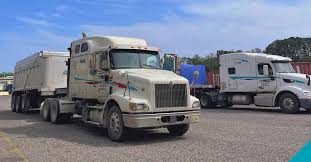
Dump truck jobs in Florida involve operating large trucks to transport materials like sand, gravel, asphalt, and debris. These roles are crucial for construction projects and infrastructure development across the state. Essential skills include safe driving, basic mechanical knowledge, and physical stamina. Many opportunities exist for both experienced drivers and those new to the field, often with competitive pay and benefits.
What Are Dump Truck Jobs in Florida?
Dump truck jobs in Florida are about more than just driving. You are a vital link in many projects. Your truck carries the very materials that build our state. Think about new roads, bridges, or even the foundations of new homes. These jobs keep Florida moving and growing.
The primary role is to haul materials from one place to another. This could be from a quarry to a construction site. It might be from a demolition site to a recycling center. Sometimes, you’ll be moving dirt to level land for a new building. The work is hands-on and keeps you busy.
Florida has a constant need for these services. Its booming population and tourism mean new construction is always happening. This creates steady demand for skilled dump truck drivers. It’s a field where your work is easily seen and appreciated. You contribute to visible improvements in your community.
You’ll be working with different kinds of loads. Sand is common for foundations. Gravel is used for road bases. Asphalt is heated and needs careful handling for paving. Sometimes, you might haul away broken concrete or old building materials. Knowing how to handle each load safely is key.
Why Are Dump Truck Drivers So Important?
Dump truck drivers are the backbone of construction. Without them, materials don’t get where they need to go. Projects would stop before they even start. They ensure that builders have the supplies they need, when they need them. This keeps projects on schedule and budget.
They also help keep our environment clean. Drivers haul away debris from construction sites. They can also take old materials to recycling facilities. This helps reduce waste and supports greener building practices. Your job helps make Florida beautiful and sustainable.
The drivers themselves need to be reliable. They are often the first on site in the morning. They keep working until the job is done. Their punctuality and dedication make a big difference. It shows respect for the project and everyone working on it.
Types of Dump Truck Jobs in Florida
There are several kinds of dump truck jobs you can find. Some drivers work for big construction companies. Others might work for smaller, local businesses. There are also jobs with quarry or asphalt plant companies. Each offers a slightly different experience.
Residential Construction Driver: You’ll deliver materials for new homes. This could be sand for the base or gravel for driveways. You might also haul away dirt from digging.
Road Construction Driver: These drivers are key to building and repairing roads. You’ll move asphalt, dirt, and other road materials. This work often involves long hours but can be very rewarding.
Quarry/Aggregate Hauler: You’ll pick up materials directly from quarries. This could be sand, stone, or other types of aggregate. You’ll take them to construction sites or distribution centers.
Demolition/Debris Hauler: Your job here is to remove waste. You’ll haul away broken concrete, wood, and other debris from demolition sites. This often means visiting landfills or recycling centers.
Ready-Mix Concrete Driver: While not always a “dump” truck, these trucks carry concrete. They are similar in operation. You’ll deliver wet concrete to construction sites.
The type of truck can also vary. Some are standard two-axle dump trucks. Others are larger, multi-axle trucks for heavy loads. Some have special features for specific materials. Knowing the types of trucks helps you understand the job.
My First Dump Truck Job Scare
I remember my first few weeks driving a dump truck. It was a hot July day in Orlando. I was hauling a full load of crushed gravel to a new highway project. The sun was beating down. Dust was everywhere. I was so focused on not spilling anything.
My boss had told me to be careful when backing up. He said, “Watch those blind spots, they’re bigger than you think.” I was trying to get into a tight spot near some workers. I had my spotter, but I was still nervous. I kept looking in my mirrors.
Suddenly, I heard a loud crash and shouting. My heart leaped into my throat. I had swung the back of the trailer just a bit too wide. I had knocked over a stack of traffic cones and a small temporary sign. Thankfully, no one was hurt.
I felt awful. My face was hot with embarrassment and fear. I quickly got out of the truck. My spotter came over, looking a little annoyed but relieved. I apologized profusely to the crew foreman. He just shook his head and said, “Lesson learned, kid. Always double-check.”
That day taught me a huge lesson. It wasn’t just about the driving itself. It was about spatial awareness and constant vigilance. It’s easy to get complacent when you’re used to the truck. But one small mistake can cause a lot of trouble. I never forgot that feeling. From then on, I always took an extra moment to check my surroundings.
Skills You Need for Dump Truck Jobs
To do well in a dump truck job, you need more than just a driver’s license. There are specific skills that make you a great candidate. Employers look for people who are responsible and careful. They want drivers they can trust with valuable equipment and materials.
Driving Experience and Licenses
The most important thing is having the right license. For most dump trucks, you’ll need a Commercial Driver’s License (CDL). In Florida, this is usually a Class A or Class B CDL. A Class A is for heavier trucks and combinations. A Class B is for single heavy vehicles.
You’ll also need a good driving record. No major accidents or traffic violations. Many companies will check your history. They want to know you’re a safe driver on the road. Experience driving large vehicles is a big plus.
Understanding Truck Mechanics
You don’t need to be a mechanic, but knowing the basics helps. You should be able to do a pre-trip inspection. This means checking your tires, brakes, lights, and fluids. Knowing how to spot a small problem before it becomes a big one is valuable.
You should also know how your truck’s dump system works. How to raise and lower the bed safely. What to do if it gets stuck. This knowledge keeps you safe and the truck running.
Physical Fitness and Stamina
Dump truck driving can be physically demanding. You might spend hours sitting, but you also need to get in and out of the cab. You may need to climb on the truck to check loads or secure tarps. Sometimes, you’ll need to help load or unload materials.
You need to be able to handle the physical stress of the job. This includes being able to sit for long periods. It also means having the strength to do physical tasks when needed. Good stamina helps you get through long workdays.
Navigation and Route Planning
Knowing how to use GPS is important. But so is being able to read a map or understand directions. You’ll need to get to construction sites that might be new to you. Some sites can be hard to find. Good navigation skills save time and fuel.
Planning your route is also smart. You want to avoid heavy traffic or difficult roads when possible. This ensures you arrive on time and safely.
Communication Skills
You’ll talk to dispatchers, site managers, and other drivers. Clear communication is vital. You need to report delays, confirm deliveries, and ask questions. Being polite and professional makes a big difference.
Problem-Solving Abilities
Things don’t always go as planned. Trucks break down. Traffic jams happen. Loads might be too heavy or the site might be inaccessible. You need to be able to think on your feet. Finding solutions helps keep projects moving.
Where to Find Dump Truck Jobs in Florida
Finding a job as a dump truck driver in Florida is not too hard. The demand is high. You just need to know where to look. Many companies are always hiring. They want reliable drivers to join their teams.
Online Job Boards
Several popular websites list trucking jobs. These are great places to start your search. You can often filter by location and job type. Some top sites include:
Indeed.com
LinkedIn.com
ZipRecruiter.com
CareerBuilder.com
TruckersReport.com (specialized for trucking)
Use keywords like “dump truck driver Florida,” “CDL driver Florida,” or “construction driver Florida.”
Company Websites
Many construction companies and trucking firms have their own career pages. If you know of companies in your area, check their websites directly. This can sometimes lead to jobs not posted on general boards.
Some large Florida companies include:
Rinker Materials
Vulcan Materials Company
The Villages Construction
Ajax Paving Industries
Various local and regional construction firms
Local Construction Sites
Driving by construction sites can also give you leads. Look for “Hiring” signs. Some smaller companies might not post jobs online. They prefer word-of-mouth or local ads.
CDL Schools and Job Placement Services
If you’re new to trucking, your CDL school might offer job placement assistance. They often have connections with local employers. They can help you find your first role.
Networking
Talk to other drivers you know. Word-of-mouth is powerful in the trucking industry. Let people know you’re looking. They might have leads or know someone who’s hiring.
Government Job Sites
Sometimes, state or local government projects need dump truck drivers. Check the Florida Department of Transportation (FDOT) website or county job portals.
Tips for Landing Your Dream Dump Truck Job
Getting the job is more than just applying. You need to make yourself stand out. Here are some tips to help you succeed in your job search and interviews.
Craft a Strong Resume
Your resume is your first impression. Make sure it’s clear and easy to read. Highlight your CDL status, driving experience, and any relevant certifications. List your experience with different types of materials. Include any safety awards or positive feedback you’ve received.
Prepare for Your Interview
Dress professionally, even for a driving job. Be on time. Research the company before you go. Think about how you will answer common interview questions. Be ready to talk about your driving record and your knowledge of dump truck operations.
Emphasize Safety
Safety is the number one priority in trucking. Highlight your commitment to safe driving practices. Talk about your pre-trip inspections and your awareness of blind spots. Show that you understand the risks and how to avoid them.
Be Honest About Your Experience
Don’t inflate your experience. Be truthful about your driving history and skills. Companies value honesty. It’s better to be upfront about any past issues and explain how you’ve learned from them.
Ask Good Questions
Asking questions shows you’re engaged and serious about the job. Ask about the typical routes, the types of trucks, the company culture, and safety procedures. Ask about benefits and pay.
Be Flexible
If you’re new to dump trucking, be open to starting in a less experienced role. You might need to work on smaller projects or with less complex loads at first. Showing willingness to learn and work hard can open doors.
Consider Specialized Training
If you want to drive specific types of loads, like oversized materials, look for extra training. This can make you more valuable to employers.
Real-World Scenarios for Dump Truck Drivers
Life as a dump truck driver in Florida involves many different situations. It’s not always the same routine. Every day can bring new challenges and sights.
The Early Morning Haul
Picture this: It’s 5 AM in Tampa. Your alarm goes off before the sun is up. You get ready quickly. You head to the yard. Your truck is waiting, clean and ready. You do your pre-trip inspection. Tires look good. Fluids are topped off.
You get your load assignment for the day: hauling dirt from a residential excavation site to a landfill. You drive to the excavation site. The excavator is already digging. You back your truck in carefully. The operator fills your bed with dirt. It’s a heavy load.
You pull out of the site. You join the early morning traffic. Your goal is to get to the landfill before traffic gets too bad. You navigate the highways, keeping a close eye on your mirrors. You know how to distribute the weight of the load for a smoother ride.
The City Paving Project
Imagine working on a road repaving project in Miami. The city is busy. You’re driving hot asphalt from the plant to the paving crew. The asphalt is steaming. It needs to be delivered quickly. You have a specific window of time.
You communicate with the paving supervisor by radio. “ETA five minutes,” you report. You arrive at the site. The crew is ready. You carefully dump your load into the paver machine. You might have to spread it a bit with your truck. Then, you head back for the next load.
This type of job often means working in challenging traffic. It can be noisy and hot. But you see the direct result of your work. A smooth, new road for everyone to use.
The Rural Site Delivery
Sometimes, your job takes you off the beaten path. You might be delivering materials to a remote construction site in Central Florida. The roads might be narrow or unpaved. You have to drive slower and more carefully.
You might be bringing gravel to a place where a new barn is being built. Or perhaps sand to help stabilize a soft patch of ground. The delivery location might not be easy to access. You rely on clear directions and your own judgment.
In these situations, you might be the only person there for a while. You’re self-reliant. You need to know how to position your truck for the best dump. You might even have to help clear a path with a shovel. It’s a different kind of satisfaction when you get the material where it needs to go.
Understanding Load Types and Weights
Knowing about the materials you carry is crucial. Different materials have different weights and densities. This affects how much you can legally carry. It also affects how the truck handles.
Common Dump Truck Loads in Florida
- Sand: Used for foundations, fill, and landscaping. It’s dense and heavy.
- Gravel: Used for road bases, driveways, and drainage. Comes in various sizes.
- Crushed Stone: Similar to gravel but often sharper edges. Used in concrete and road building.
- Dirt/Soil: Used for landscaping, filling holes, or as base material. Weight varies greatly with moisture.
- Asphalt: Hot mix used for paving roads. Needs to be delivered quickly.
- Concrete (Ready-Mix): Carried in special trucks, but related to hauling.
- Debris: Broken concrete, wood, metal from demolition. Weight depends on type.
Florida has strict rules about truck weights. This is to protect the roads from damage. Trucks are weighed at inspection stations. Overweight trucks get big fines. Your dispatcher will help you figure out legal loads. You need to know your truck’s capacity.
Weight Limits and Regulations
Weight limits are set by the U.S. Department of Transportation and Florida state laws. A standard dump truck might carry 10-20 tons of material. This is in addition to the truck’s own weight.
Gross Vehicle Weight Rating (GVWR): This is the maximum total weight of the truck and its load.
Axle Weight Limits: Each axle has a maximum weight it can support. This is important for distributing the load evenly.
Bridge Formulas: These are complex rules that limit weight based on the number of axles and their spacing.
Understanding these limits ensures you operate legally and safely. It also protects the roads you drive on every day.
When to Worry: Signs a Dump Truck Needs Attention
Being proactive about your truck’s condition is key. You are responsible for its safe operation. A small issue can quickly turn into a big problem. It’s important to know when something isn’t right.
Signs Your Dump Truck Might Need Service
Unusual Noises:
Listen for grinding, squealing, or knocking sounds. These can point to brake, engine, or transmission issues.
Warning Lights:
Don’t ignore dashboard warning lights. They are there for a reason. Check engine, oil pressure, or brake lights need immediate attention.
Strange Smells:
Burning oil, rubber, or electrical smells can indicate serious problems.
Brake Issues:
If your brakes feel soft, grabby, or pull to one side, get them checked immediately.
Steering Problems:
If the steering feels loose, stiff, or jerky, it’s a safety concern.
Fluid Leaks:
Spotting puddles under your truck means a fluid leak. Note the color of the fluid to help diagnose the issue.
If you notice any of these, report them to your supervisor or maintenance team right away. Don’t try to fix serious issues yourself unless you are trained. Your safety and the safety of others depend on a well-maintained truck.
What Dump Truck Jobs Mean for You
The life of a dump truck driver in Florida can be very rewarding. It offers a stable career with good earning potential. But it’s also a job that requires dedication and responsibility.
Income and Benefits
Dump truck drivers in Florida earn a good living. Pay varies based on experience, location, and company. Entry-level drivers might start around $40,000-$50,000 per year. Experienced drivers with specialized skills can earn $60,000 or more. Some jobs offer overtime pay, which can boost earnings significantly.
Many companies offer benefits packages. These can include health insurance, dental and vision coverage, and retirement plans (like 401k). Paid time off and vacation days are also common.
Work-Life Balance
Work-life balance can be a challenge. Dump truck jobs often involve early mornings, long hours, and sometimes weekend work. This is especially true during busy construction seasons. However, many drivers find the pay and the satisfaction of the work make up for the demanding schedule.
Some jobs might offer more predictable hours. Local delivery routes might have more regular shifts. Long-haul jobs can mean being away from home for extended periods. It’s important to discuss expectations with potential employers.
Career Growth
While the core job remains the same, there are ways to grow. You can gain experience with different types of trucks and loads. You might move into a supervisory role, managing a team of drivers. Some drivers become owner-operators, owning their own trucks and working for themselves.
Specialized certifications or training can also open up new opportunities. For example, driving oversized loads or hazardous materials.
Quick Tips for Dump Truck Drivers
Here are some quick tips to help you succeed on the job. They focus on safety, efficiency, and professionalism.
Always Perform Your Pre-Trip Inspection: This is non-negotiable. It keeps you safe.
Know Your Load: Understand the weight and how it will shift. Secure tarps properly.
Communicate Clearly: Keep dispatch and site managers informed.
Watch Those Blind Spots: Always be aware of your surroundings. Use mirrors and spotters.
Drive Smoothly: Avoid sudden stops or starts, especially with a heavy load.
Stay Hydrated and Take Breaks: Long hours can be tough. Drink plenty of water. Rest when you can.
Keep Your Truck Clean: A clean truck shows pride in your work. It also helps spot issues.
Follow All Traffic Laws: Speed limits, weight limits, and other regulations are there for a reason.
Be Courteous: Wave to other drivers. Be patient in traffic. You represent your company.
Report Any Issues Immediately: Don’t delay reporting maintenance needs or safety concerns.
Frequently Asked Questions About Dump Truck Jobs
What kind of license do I need for dump truck jobs in Florida?
You will typically need a Commercial Driver’s License (CDL) in Florida. This is usually a Class A or Class B license, depending on the weight and type of truck you will be driving.
Do I need experience to get a dump truck job?
While some employers prefer experienced drivers, many companies hire entry-level drivers. If you have a CDL and a clean driving record, you can often find opportunities. Some companies offer on-the-job training.
How much do dump truck drivers make in Florida?
Pay varies by experience, location, and company. Entry-level drivers might earn $40,000-$50,000 annually. Experienced drivers can make $60,000 or more, with potential for overtime.
What are the typical working hours for a dump truck driver?
Hours can vary greatly. Many jobs involve early mornings and long days, often 10-12 hours. Some may require weekend work, especially during peak construction seasons.
Local routes might offer more regular schedules.
Is dump truck driving a physically demanding job?
Yes, it can be. While much of the job involves driving, you also need to get in and out of the cab, secure loads, and sometimes perform basic maintenance checks. Good physical stamina is beneficial.
What are the biggest challenges for dump truck drivers?
Challenges include long hours, traffic congestion, harsh weather conditions, and the responsibility of safely operating large, heavy equipment. Maintaining a good work-life balance can also be difficult.
Conclusion
Dump truck jobs in Florida offer a solid career path. They are vital to the state’s growth. You’ll be part of building and maintaining the infrastructure we all rely on. The work can be tough, but it’s also rewarding. With the right skills, a good attitude, and a focus on safety, you can find a fulfilling job in this essential industry. Keep learning, stay safe, and you’ll do great.