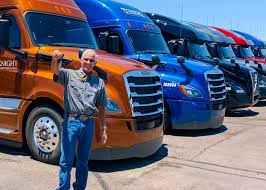
Understanding Local Trucking in Dallas, TX
Local trucking jobs mean you drive within a specific radius. Often, this is around your home city or region. For Dallas, TX, this usually means the whole Dallas-Fort Worth (DFW) metroplex.
You might also drive to nearby towns like Fort Worth, Plano, or even out to Waco or Austin. The key difference from long-haul is coming home daily or most nights. This changes a lot for your lifestyle.
Why is Dallas a good place for this? The DFW area is a huge hub. Lots of businesses are here.
Warehouses, distribution centers, and manufacturing plants are everywhere. They all need goods moved. This means a constant demand for drivers.
Think about all the shopping malls, restaurants, and building sites. Trucks bring supplies to all of them. That’s where you come in.
The types of local jobs vary a lot. Some drivers haul raw materials. Others deliver finished products.
Some jobs are for less-than-truckload (LTL) carriers. Some are for full truckload (FTL) operations. Many jobs involve box trucks or straight trucks for urban deliveries.
Others might be for tractor-trailers making regional runs.
Understanding these different types helps you pick. What kind of driving do you enjoy most? Do you like the challenge of tight city streets?
Or do you prefer navigating larger distribution centers? Knowing this upfront helps narrow your search. It makes the process less overwhelming.
You can focus on companies that offer the routes and loads that suit you best.
Many drivers also look at the equipment. Are you comfortable driving a manual or automatic? What about different trailer types like flatbeds, reefers (refrigerated trailers), or dry vans?
Companies will often list these details. Matching your skills and comfort level to the equipment is important. It makes your day-to-day work much smoother.
My Own Dallas Trucking Job Hunt
I remember when I first started looking for local trucking jobs in Dallas. It felt like a maze. I had my CDL and some experience.
But I was tired of being out for three weeks straight. My kids were young then. I wanted to be at their soccer games.
I wanted to be home for dinner. So, I started Googling “local CDL jobs Dallas.”
The results were overwhelming. So many company names. Some seemed huge.
Others were smaller, local outfits. I clicked on a few job ads. Some asked for years of experience.
Others seemed to want drivers for very early morning or late-night shifts. One ad mentioned a milk run, and I wasn’t even sure what that was. It felt like I was missing some inside knowledge.
I felt a bit frustrated and lost. I wanted to contribute and earn well, but the path wasn’t clear.
Local Trucking Job Types in Dallas
Delivery Driver: Often for smaller trucks, delivering goods to businesses or homes within the city. Think furniture, food, or packages.
Food Service Driver: Hauling groceries and restaurant supplies. These routes can be busy and require careful handling.
Beverage Driver: Delivering beer, soda, or water. These jobs can be physically demanding.
Construction Material Hauler: Moving sand, gravel, concrete, or building supplies. Usually requires a dump truck or flatbed.
Retail Delivery Driver: Bringing merchandise to stores from distribution centers.
Warehouse to Store Driver: A common role, moving goods between a company’s warehouse and its retail locations.
What to Expect: Pay and Benefits
Pay for local trucking jobs in Dallas can vary widely. It depends on the company, the type of freight, and your experience. Many local drivers earn a base salary or hourly wage.
Some companies also offer per-delivery bonuses. Others might have stop-pay. This is an extra amount for each stop you make.
On average, you might see hourly rates from $20 to $30. Or you could see annual salaries ranging from $50,000 to $75,000. Some specialized or overtime-heavy roles can push this higher, towards $80,000 or more.
It’s important to look at the total compensation package. Don’t just focus on the hourly rate.
Benefits are also a big part of the picture. Good companies offer health insurance. This is often a major draw for drivers.
Look for plans that cover medical, dental, and vision. Some companies also offer 401(k) retirement plans with matching contributions. Paid time off, like vacation days and sick leave, is also valuable.
Some companies even offer life insurance.
When you’re interviewing, ask about benefits. How much does the health insurance cost you per paycheck? What is the company match for the 401(k)?
How many paid days off do you get each year? These questions help you compare offers accurately. They ensure you’re getting a well-rounded package.
This makes a big difference in your quality of life.
Some companies offer guaranteed hours. This means you get paid for a set number of hours each week, even if there isn’t enough work. This can provide great financial stability.
Other jobs might be more feast or famine. Understanding the pay structure is crucial. It helps set realistic income expectations.
It also helps you avoid surprises down the line.
The types of trucks also influence pay. Driving a straight truck might pay less than a tractor-trailer. However, it might also come with less stress or fewer requirements.
Jobs with hazardous materials (hazmat) endorsements often pay more. This is because they require extra training and responsibility. Make sure your endorsements are up-to-date if you’re targeting these roles.
Key Benefit Checklist for Trucking Jobs
Health Insurance: Medical, dental, vision.
Retirement Plan: 401(k) with company match.
Paid Time Off: Vacation, sick days, holidays.
Life Insurance: Basic coverage provided.
Disability Insurance: Short-term and long-term options.
Per Diem: Some companies offer this allowance.
Finding Local Trucking Companies in Dallas
Where do you find these jobs? Start with online job boards. Sites like Indeed, LinkedIn, and specialized trucking job boards are good places.
Use keywords like “local CDL jobs Dallas,” “Dallas truck driver,” or “home daily truck driver Texas.”
Don’t forget company websites. Many large carriers have dedicated careers pages. Smaller, local companies might post jobs directly there.
If you see a company’s trucks around Dallas, check their site. You might find hidden gems. Look for companies that haul goods for businesses you know.
This can sometimes mean more stable routes.
Networking is also powerful. Talk to other drivers you meet. Ask them where they work.
Do they like their company? What are the pros and cons? Many drivers are happy to share their experiences.
Truck stops and industry events can be good places to chat. Even online driver forums can offer insights.
Consider using a trucking-specific recruiting agency. Some agencies specialize in matching drivers with local jobs. They often know about openings before they are widely advertised.
They can also help you navigate the application process. Make sure they are reputable and have good reviews.
When you find a potential employer, do your homework. Check online reviews. Look for information about driver turnover.
High turnover can be a red flag. It might mean drivers aren’t happy there. Read reviews on sites like Glassdoor or Indeed.
See what current and former drivers say about pay, management, and work-life balance.
Also, consider the company’s safety record. You can sometimes find this information from organizations like the Federal Motor Carrier Safety Administration (FMCSA). A strong safety culture is important for your well-being and the company’s reputation.
Look for companies that invest in driver training and equipment maintenance.
Think about your specific needs. Do you need flexible hours? Do you want a predictable schedule?
Are you looking for a specific type of truck or trailer? Tailor your search to companies that meet these requirements. Don’t be afraid to ask lots of questions during the interview process.
It’s your career. You deserve to find the right fit.
What Does a Typical Day Look Like?
A typical day for a local truck driver in Dallas can be quite varied. It often depends on the specific job. For a retail delivery driver, your day might start very early.
You could be at the warehouse by 5 or 6 AM. You’d load your truck with goods for several stores.
Then, you’d head out. Your route might take you across the DFW metroplex. You could be delivering to a store in Plano, then another in Arlington, and then maybe one in Dallas.
Unloading at each stop is part of the job. Sometimes it’s direct to the back room. Other times, you might need to stock shelves.
The schedule can change based on traffic. Dallas traffic is notorious. You have to factor in rush hours.
Sometimes a short trip can take much longer than expected. You’ll learn to use GPS apps that show real-time traffic. This helps you adjust your route on the fly.
It’s a skill you develop over time.
Some local jobs involve distribution center runs. You might pick up a load from a large warehouse. Then you drive it to another facility owned by the same company.
Or you might shuttle trailers around a large yard. These can be more repetitive but often less demanding physically.
Drivers who haul food or temperature-sensitive goods might have strict schedules. They need to make their deliveries within certain time windows. This ensures the product stays fresh.
These jobs often require a clean driving record and a commitment to punctuality.
For some drivers, the day ends back at the warehouse. For others, they might drop their trailer at a designated yard. Then they take their truck home.
Or they might head back to the main terminal. It really depends on the company’s policy. Many local drivers enjoy the predictability.
They know roughly when they’ll start and finish.
Lunch breaks are usually scheduled. Some drivers eat in their truck. Others might grab something at a truck stop or local diner.
Many drivers bring their own meals to save money and time. It’s a good habit for any driver. It helps maintain a healthy diet on the road.
Contrast Matrix: City Delivery vs. Regional Hub Runs
City Delivery:
- Environment: Busy streets, tight turns, loading docks, traffic.
- Load Type: Smaller, varied, often to retail or businesses.
- Schedule: Can be variable due to traffic, many stops.
- Physicality: Often involves unloading or stocking.
- Home Time: Almost always home daily.
Regional Hub Runs:
- Environment: Highways, large distribution centers, loading yards.
- Load Type: Larger, often full truckload, between facilities.
- Schedule: More predictable, fewer stops.
- Physicality: Mostly driving, some dock work.
- Home Time: Often home daily, but occasional overnight runs are possible.
Navigating Dallas Traffic as a Local Driver
Driving in Dallas presents unique challenges. The DFW metroplex is large and growing. Traffic can be intense, especially during peak commute hours.
This means careful planning is essential. You need to know the best routes and the worst times to travel certain areas.
Understanding the major highways is key. I-35, I-45, and I-20 are the main arteries. They can get very congested.
Knowing alternative routes, like toll roads or smaller state highways, is helpful. Some companies provide routing software. Others expect you to manage it yourself.
Many local routes involve city streets. This means dealing with traffic lights, intersections, and local traffic. You’ll need to be comfortable maneuvering in tight spaces.
You’ll also need to be aware of pedestrian and cyclist traffic. Safety is always the number one priority.
Weather can also be a factor. Texas summers are hot. This can impact your truck and your comfort.
In winter, while snow is rare, ice can form on overpasses. Heavy rain can cause flash floods in low-lying areas. Always check the weather forecast before you head out.
Technology plays a big role. GPS apps like Google Maps or Waze are invaluable. They provide real-time traffic updates.
Some trucking-specific GPS units offer more features. These might include truck-restricted routing or points of interest for drivers.
Communication is also important. If you’re running late due to traffic, let your dispatcher know. They can often adjust delivery schedules or notify the customer.
Good communication prevents problems and keeps you in good standing with your company. It shows professionalism.
Many drivers develop a sixth sense for Dallas traffic. They learn which roads are always backed up. They know the shortcuts.
They anticipate potential delays. This experience comes with time. Don’t get discouraged if it feels overwhelming at first.
Every driver starts somewhere. Focus on learning your routes and staying safe.
What This Means for Your Career
Choosing local trucking in Dallas means prioritizing work-life balance. You get to use your professional driving skills. You earn a good income.
But you also get to be present in your community. You can see your family and friends regularly. This is a huge advantage over long-haul jobs.
It also means you’ll likely have more consistent hours. This makes budgeting and financial planning easier. You know roughly what to expect each week.
This stability can reduce stress. It allows you to focus on your job and your life outside of it.
However, local driving can also be more demanding in other ways. You might deal with more traffic. You could have more frequent stops.
Some jobs are physically demanding, involving a lot of loading and unloading. You need to be physically fit for these roles.
The local market in Dallas is competitive. Companies are always looking for reliable, safe drivers. Having a good driving record and a strong work ethic will set you apart.
Being punctual and professional goes a long way. Companies want drivers they can trust.
Consider your long-term goals. Do you want to stay a driver? Or do you see yourself moving into dispatch, training, or management?
Many local driving jobs can serve as a stepping stone. You gain valuable experience and industry knowledge. This can open doors to other opportunities within a company.
Some drivers also use local jobs to build capital. They might save up to buy their own truck and start a small business. The predictable income from local routes makes this goal more achievable.
It provides a solid foundation to build upon. Your career path is yours to shape.
Quick Tips for Landing a Local Dallas Trucking Job
1. Update Your Resume: Highlight your CDL class, endorsements, and any relevant experience. Make sure your contact information is current.
Emphasize safety records and punctuality.
2. Get Your Endorsements: If you have an Hazmat, Tanker, or Doubles/Triples endorsement, make sure it’s listed. Some local jobs require these.
3. Practice Your Interview Skills: Be ready to talk about your driving experience. Explain why you want a local job.
Be prepared for questions about your driving record and any past incidents.
4. Dress Professionally: Even for a driving job, a neat appearance matters. Wear clean clothes.
Show respect for the interviewer and the company.
5. Ask Questions: Show your interest. Ask about the typical routes, schedule, pay structure, and benefits.
This also helps you assess if the job is a good fit.
6. Be Honest: Never embellish your experience or hide any issues on your record. Companies run background checks and driving record reviews.
Honesty builds trust.
7. Follow Up: After an interview, send a thank-you note or email. This shows your continued interest and professionalism.
Frequently Asked Questions about Dallas Local Trucking
What is the average salary for a local truck driver in Dallas, TX?
The average salary can range from $50,000 to $75,000 per year. However, this varies greatly depending on the company, the type of freight, and your experience level. Some specialized roles can pay more.
Do local truck drivers in Dallas have to work weekends?
It depends on the specific job. Many local delivery routes operate Monday through Friday. But some jobs, especially those serving retail or restaurants, might require weekend work.
Always ask about the typical schedule during the interview.
What kind of CDL is usually needed for local Dallas trucking jobs?
Most local truck driving jobs require a Class A CDL for tractor-trailers. However, some delivery jobs, especially those using straight trucks or box trucks, may only require a Class B CDL.
Are there CDL training programs in Dallas?
Yes, there are several CDL training schools in the Dallas-Fort Worth area. These programs can help you earn your CDL and get the necessary endorsements. Research local schools for their pass rates and job placement assistance.
How important is a clean driving record for local trucking jobs?
A clean driving record is extremely important. Most trucking companies have strict requirements regarding accidents, tickets, and suspensions. A good record is vital for getting hired and maintaining your job.
What are the benefits of working as a local truck driver vs. long-haul?
The main benefit is being home most nights or daily. This improves work-life balance. Local driving also often means more predictable hours and less time away from family and friends.
Can I find part-time local trucking jobs in Dallas?
Yes, some companies offer part-time or flexible scheduling. These might be for specific routes, peak seasons, or weekend shifts. It’s worth asking about part-time options during your job search.
Conclusion
Finding a local trucking job in Dallas, TX can be a rewarding step. It offers a chance to use your skills and earn a good living. You also get the benefit of being home more often.
Focus on understanding the types of jobs available. Research companies thoroughly. Ask lots of questions.
Your perfect local driving job might be closer than you think.